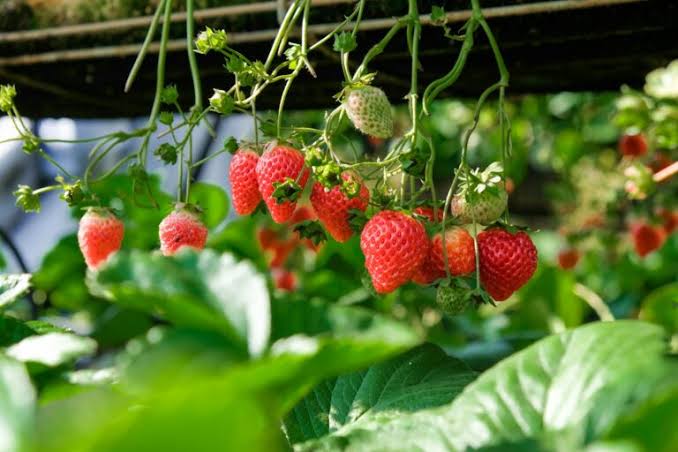
NOGALES, Ariz. (FOR IMMEDIATE RELEASE) – A recent decision by the Department of Commerce to apply a novel approach in an anti-dumping case against strawberries from Mexico has the potential to greatly upset the fresh produce supply chain.
The results of this case against strawberries could result in similar anti-dumping cases being filed against imports of other fresh produce items including avocados, blueberries, watermelon, cucumber, squash, bell pepper, sweet corn, and onions. These items make up a large portion of American shoppers’ weekly grocery basket spend, and fresh produce costs would rise significantly in this scenario.
Meanwhile, US exports of dairy, grains, meats and even produce like apples and potatoes have been huge success stories of the trade agreement. A decision that prompts more regional, seasonal trade remedies will invite reciprocal actions that ultimately harm US exporters and US consumers alike.
Growers primarily from the Southeast have been pushing for restrictions like tariffs and quotas on the above items, as part of the USMCA trade agreement review. Many U.S. growers and other U.S. companies across the supply chain strongly oppose these measures as they increase costs, drive up uncertainty, and harm consumer access to affordable fresh produce.
In the case of strawberries, the Department of Commerce has accepted an arbitrary definition of winter strawberries proposed by a small set of producers in Florida and ignored the opposition by strawberry growers in California and other states. If that same approach is applied to other regional, seasonal crops, as proponents from the Southeast desire, consumers could see more antidumping cases that will likely lead to higher prices on the items mentioned above.
Through the USMCA trade agreement, produce suppliers in the United States and Mexico have partnered together to bring year-round supplies of high-quality produce, much of it grown in pristine greenhouses which minimize water use while controlling for consumer attributes like high sugar content or color specifications, such as with bell peppers.
This decision is bad for U.S. companies, bad for U.S. consumers, and could lead to a tit-for-tat trade environment that hurts U.S. growers that rely on exports and imports to secure their supply chains year-round.
At a time when policymakers, health professionals, and nutrition advocates are encouraging Americans to consume more fruits and vegetables as part of a healthy diet, maintaining access to affordable fresh produce should be a national priority. Rather than creating new trade barriers that increase costs and limit supply, the U.S. government should support policies that promote consumption, improve affordability, and expand access to nutritious fruits and vegetables for American families.
About the Fresh Produce Association of Americas:
Founded in 1944 in Nogales, Arizona, the Fresh Produce Association of the Americas has grown to become one of the most influential agricultural groups in the United States. Today, the FPAA provides a powerful voice for more than 100 U.S. companies involved in the importation and distribution of fresh produce grown in Mexico.
For more information about the FPAA Spring Policy Summit, FPAA membership, or upcoming events, please contact the FPAA at (520) 287-2707 or visit www.thefpaa.com .